Effective lighting is crucial for large areas, affecting safety and productivity. According to John Smith, an expert in lighting design, "Proper lighting enhances visibility and comfort." He emphasizes the importance of calculating lighting requirements accurately.
When considering how to calculate lighting requirements for large areas, one must account for various factors. These include the size of the space, the type of activities taking place, and the desired light intensity. For instance, a warehouse demands different lighting standards than an office setting.
Neglecting these elements can lead to insufficient light or energy waste. An effective lighting plan balances function and efficiency. It's not just about illumination; it’s about creating an environment conducive to work and safety. Thus, understanding how to calculate lighting requirements for large areas is vital for achieving optimal results.
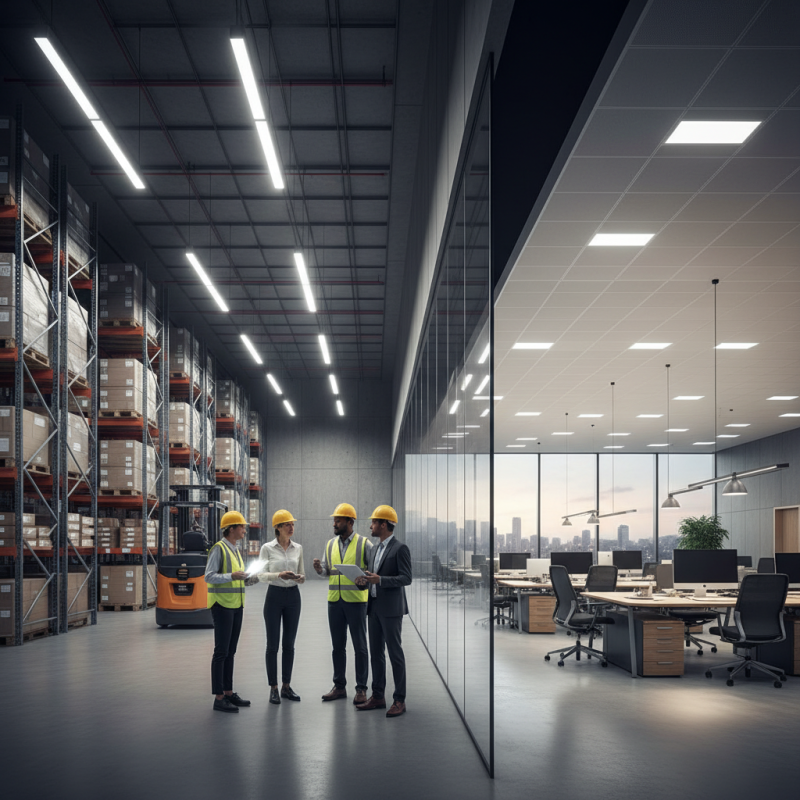
Lighting plays a crucial role in large spaces. Proper illumination enhances visibility. It also affects mood and productivity. In warehouses, a well-lit area can improve safety. Workers can navigate more easily and avoid accidents. Poor lighting may lead to errors and increased fatigue.
Understanding lighting needs starts with assessing the area. Different activities require different light levels. For example, a maintenance area requires brighter lights than storage zones. Yet, achieving the right ambiance can be challenging. An overly bright setting can cause discomfort, while too little light can hinder tasks.
Considering natural light sources is also vital. Windows and skylights can provide daylight, reducing reliance on artificial lighting. However, they may create shadows or glare. Professionals should evaluate these factors carefully. They must aim for an equilibrium that satisfies all users. This reflection helps create the most effective lighting solutions for large spaces.
| Area Type | Recommended Lux Level | Common Light Sources | Additional Considerations |
|---|---|---|---|
| Warehouse | 150 - 250 Lux | LED high bays, fluorescent lights | Safety, energy efficiency |
| Shopping Mall | 300 - 500 Lux | LED downlights, track lighting | Ambiance, customer experience |
| Gymnasium | 300 - 700 Lux | LED flood lights, metal halide | Visibility for sports, energy efficiency |
| Office Space | 300 - 500 Lux | LED panels, fluorescent lamps | Comfort, productivity |
| Manufacturing Plant | 200 - 500 Lux | LED high bays, industrial lights | Safety, task performance |
Lighting large areas requires careful consideration of several key factors. One significant aspect is the primary function of the space. Different activities demand varying light intensities. For instance, an office setup requires bright, even lighting for productivity. Conversely, a storage area may not require as much illumination.
Another crucial factor is the layout of the area. The arrangement of furniture, walls, and equipment influences how light distributes. Dark colors absorb light, while lighter hues reflect it, affecting ambiance and visibility. It’s essential to assess these elements when planning the lighting. Using light sources strategically can help overcome specific limitations of the space.
Natural light plays a vital role too. Incorporating windows or skylights can reduce the need for artificial lighting during the day. However, seasonal changes can create challenges. The amount of daylight varies throughout the year, which may lead to inconsistent lighting levels. Planning must adjust for these natural variations, ensuring spaces remain functional and welcoming. A thorough evaluation of these factors is essential to achieve effective lighting.
This bar chart displays the recommended lighting requirements in lux for various large area types, highlighting key factors like space usage and activities performed in the areas.
When determining lighting requirements for large areas, precision is key. Optimal lighting not only enhances safety but also boosts productivity and ambiance. Effective calculation methods ensure that every corner receives adequate light, minimizing shadows and dark spots. Utilizing tools, such as lighting calculators and software, can provide a framework. These resources help predict how different fixtures will interact with space.
In addition, understanding the purpose of the area is crucial. A warehouse requires different lighting than a gallery. Workplaces may need specific lux levels to meet ergonomic standards. It’s imperative to engage with stakeholders and understand their needs. This often reveals overlooked elements, such as seasonal changes in natural light. Small adjustments, like the angle or placement of fixtures, can vastly improve the overall result.
Lastly, experience plays a pivotal role in achieving optimal illumination. Professionals often reflect on past projects, realizing the impact of their choices. Revisiting earlier spaces can highlight successes and room for improvement. Continuous learning from these scenarios fosters expertise, ultimately leading to more effective lighting solutions.
Effective lighting in large areas significantly influences safety and productivity. Proper illumination ensures that workers can see their tasks clearly, reducing the risk of accidents. In warehouses or factories, dim lighting can hide obstacles or hazardous materials. This creates an unsafe environment. Bright, even lighting eliminates shadows, allowing for better visibility. Workers feel more secure and perform their tasks with confidence.
Additionally, lighting affects focus and morale. Well-lit spaces can enhance worker satisfaction. Natural light has a positive effect, promoting alertness. Cold or harsh lighting can lead to fatigue, diminishing overall productivity. Employees may struggle to concentrate in poorly lit areas. Reflecting on these aspects highlights the need for balance and the right intensity.
Regular assessments of lighting setups can identify potential issues. It is vital to engage with employees about their experiences. Listen to their feedback on lighting quality. Small adjustments can lead to significant improvements in both productivity and safety. Illumination is not just about brightness; it's about creating an environment where everyone can thrive.
Calculating lighting requirements for large areas is crucial for effective design. A well-planned lighting scheme can lead to significant cost-efficiency and energy savings. According to the U.S. Department of Energy, commercial buildings can reduce lighting energy use by 30% to 50% with proper design. These savings translate not only into lower electricity bills but also into reduced environmental impact.
When considering lighting design, it’s vital to assess the overall layout and usage. Every inch of the space may require different lighting solutions. For instance, areas with higher foot traffic may need brighter lights, while others might benefit from softer illumination. Evaluating your options thoroughly can avoid excess costs. Unplanned lighting can lead to waste and dissatisfaction.
**Tip:** Regularly audit your lighting system. Schedule evaluations to ensure efficiency. Consider upgrades to LED fixtures, which can cut energy costs by up to 75%.
Another factor to consider is maintenance. Underestimating replacement needs or overusing fixtures can lead to unexpected costs. For large areas, a strategic placement can minimize the frequency of bulb changes. Reflect on where your light sources are installed and how they function together.
**Tip:** Implement smart technologies like dimmers or sensors. These can adjust lighting based on occupancy, further driving energy savings.
: Lighting enhances visibility, affects mood, and increases productivity. It plays a crucial role in safety as well.
Activities require varying light levels. Bright lights are needed for maintenance, while storage areas may need less light.
Poor lighting can lead to errors, increased fatigue, and higher chances of accidents in large spaces.
Natural light reduces reliance on artificial lighting and can enhance the overall ambiance of a space.
Natural light can create shadows and glare. Seasonal changes can also lead to varying light levels throughout the year.
Proper lighting allows workers to see clearly, reducing the risk of accidents and promoting a safer environment.
Well-lit spaces improve focus and morale. Poor lighting can cause fatigue, making it hard for employees to concentrate.
Furniture and equipment arrangements influence how light distributes. Dark colors absorb light, whereas light colors reflect it.
Regular assessments and employee feedback can identify issues. Small lighting adjustments can significantly enhance productivity and safety.
It’s essential to evaluate the area's function, layout, and the balance between natural and artificial lighting.
Calculating lighting requirements for large areas is crucial for enhancing the functionality and aesthetics of these spaces. Understanding the importance of lighting involves recognizing how it impacts both safety and productivity. Effective lighting not only improves visibility but also influences the overall atmosphere and efficiency of the environment. Key factors in determining lighting needs include the purpose of the space, ceiling height, and the types of activities being performed.
To calculate lighting requirements for large areas effectively, one must consider various methods that provide optimal lighting levels tailored to specific environments. This involves assessing the luminance needed for different tasks, selecting appropriate fixtures, and taking into account energy efficiency to ensure cost savings. By focusing on these elements, organizations can create well-lit spaces that not only enhance safety and productivity but also promote energy conservation, ultimately benefiting both the users and the environment.

Lume Light