Choosing the right outdoor lighting can enhance your space significantly. However, one crucial factor is often overlooked: climate. Understanding how to choose outdoor lighting for different climates will ensure that your investment is both functional and durable.
In colder regions, for instance, consider fixtures that withstand snow and frost. They should be made of materials resistant to corrosion. In contrast, warmer areas might benefit from lights that can handle humidity and intense sunlight. You must think about how temperature extremes affect your lighting choices.
Ignoring climate can lead to frequent replacements and higher bills. Selecting the appropriate lighting can also reduce energy consumption, which is an essential factor in today's eco-conscious world. Remember, lighting not only illuminates but also sets the mood for your outdoor environment. Thoughtfully choosing based on climate helps achieve beauty and longevity.
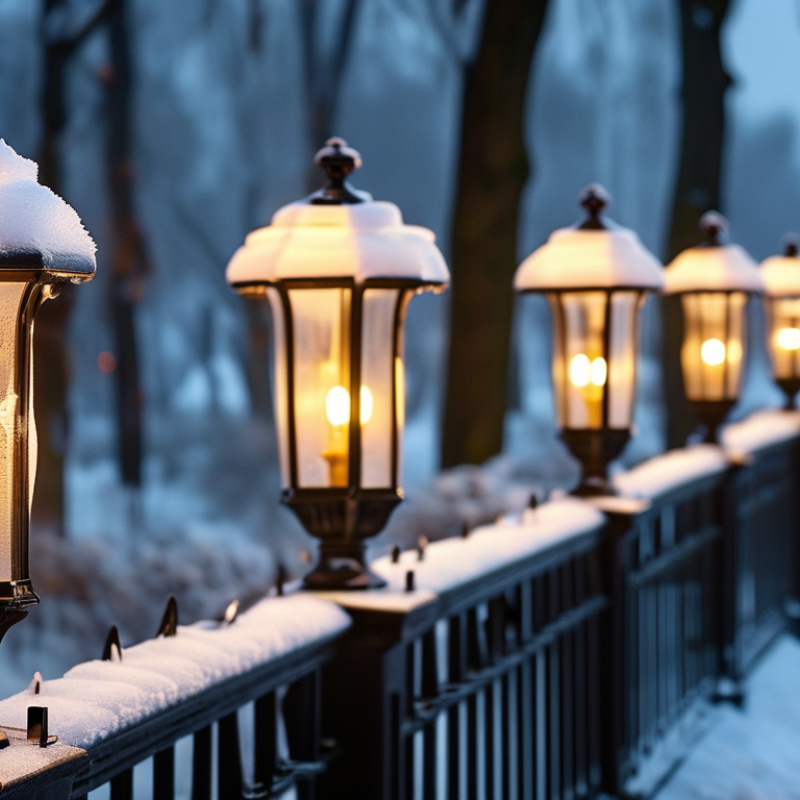
Climate plays a crucial role in outdoor lighting performance. Temperature, humidity, and even wind can impact how lighting fixtures operate. For example, extreme cold can affect the brightness of LED lights. In humid areas, moisture can lead to electrical issues if fixtures aren’t weatherproof. These factors can affect not only the appearance but also the longevity of your outdoor lights.
One tip for selecting outdoor lighting is to choose materials that withstand local climate conditions. Corrosion-resistant fixtures are essential in coastal areas. They ensure safety and require less maintenance. Additionally, consider LED lights with good thermal management. They perform better in variable temperatures, maintaining brightness over time.
Moreover, think about how climate may alter your daily usage patterns. In areas with longer nights and shorter days, brighter lighting may be necessary. On the flip side, energy-efficient options are wise in milder climates where outdoor activities take center stage. Balancing these elements can improve not just aesthetics but functionality as well.
Choosing the right outdoor lighting requires careful consideration of your local climate. Regions with extreme weather patterns often pose challenges. For example, harsh winters can lead to frost damage on outdoor fixtures. Similarly, areas with high humidity can encourage mold growth, reducing the lifespan of your lighting.
Energy-efficient options are crucial. The U.S. Department of Energy reports that LED lighting can reduce energy consumption by about 75%. LEDs are more durable and can withstand temperature fluctuations. Well-designed fixtures can also minimize light pollution, which affects our connection to the night sky. Understanding your climate can lead to better choices.
When you prioritize climate, you avoid potential missteps. Not every energy-efficient solution works across all environments. For example, some solar lights may underperform in cloudy regions. Adaptability is key. A thoughtful approach balances aesthetics, efficiency, and resilience. Researching local conditions can guide you to the best options.
When selecting outdoor lighting, durability is essential. Fixtures must withstand various weather conditions. Rain, snow, and intense sunlight can damage lower-quality products. It's wise to choose materials that resist rust and corrosion. Metal and high-grade plastics often work well.
Consider the local climate. In humid areas, look for fixtures with moisture-resistant seals. Windy regions may require sturdier mounts. Remember, aesthetics matter, but function is paramount.
Tips for durability: Check for UV ratings to ensure longevity in sunlight. Look for warranties that cover weather-related damages. Install fixtures at proper heights to minimize wear from debris. This attention to detail can save you headaches later.
| Weather Condition | Recommended Fixture Material | Durability Rating | Common Issues |
|---|---|---|---|
| Rainy | Aluminum or Stainless Steel | 5/5 | Corrosion |
| Snowy | Plastic (UV Resistant) | 4/5 | Ice Build-up |
| Sunny | Copper or Brass | 5/5 | Fading |
| Windy | Heavy Duty Metal | 4/5 | Damage from Debris |
| Humid | Resin or Coated Aluminum | 5/5 | Mold Growth |
Seasonal variations significantly impact outdoor lighting design. Regions with substantial climate changes require adaptable lighting strategies. For instance, in colder climates, longer nights mean that lighting needs are heightened. A report from the International Energy Agency indicates that outdoor lighting can account for up to 40% of a community's total energy consumption. This number highlights how crucial it is to consider efficient lighting options tailored to specific seasons.
Different seasons present unique challenges and opportunities for lighting. In winter, snow-covered areas reflect light differently, requiring adjustments in brightness and placement. Poorly designed lighting can lead to safety hazards, such as increased risks of slips and falls. A study from the Journal of Environmental Psychology found that well-lit areas can reduce crime rates by up to 20%. This emphasizes the importance of thoughtful design in different weather conditions.
In contrast, summer brings longer daylight hours but also intense heat. Excessive heat could potentially damage outdoor lighting fixtures that are not suitable for such conditions. It's essential to choose durable materials that can withstand these fluctuations. Research shows that UV-resistant fixtures improve longevity, ensuring reliability through varying weather patterns. Such choices reflect the growing recognition of climate-responsive lighting design in enhancing both functionality and aesthetic appeal.
When considering outdoor lighting choices, environmental regulations play a crucial role. Recent studies show that over 70% of municipalities have adopted stricter regulations about light pollution and energy efficiency. These rules promote sustainable practices and reduce environmental impact. Proper lighting not only ensures safety but also aligns with evolving eco-friendly standards.
Many areas encourage or even mandate the use of LED fixtures, as they consume up to 75% less energy than traditional bulbs. This shift not only lowers energy costs but also decreases greenhouse gas emissions. Adhering to these regulations fosters a responsible approach to outdoor lighting, benefiting both individuals and communities.
Tips: Evaluate local regulations before making lighting decisions. Check for energy efficiency certifications and look for ways to incorporate motion sensors or timers. These methods enhance sustainability and can lead to significant energy savings. Reflect on the materials used in your fixtures; prioritize those that are recyclable or sustainably sourced. Providing adequate illumination while being mindful of environmental effects is essential for long-term planning.
: Climate impacts lighting performance through temperature, humidity, and wind conditions. Extreme cold can reduce LED brightness.
Select corrosion-resistant materials in coastal areas. They provide safety and require less maintenance over time.
Seasonal changes necessitate adaptable lighting strategies. Colder climates often require brighter and properly placed fixtures.
Poor lighting increases risks of slips and falls. It can also negatively impact safety and crime rates in an area.
Efficient lighting options reduce energy consumption significantly. This helps lower costs and minimizes greenhouse gas emissions.
Regulations on light pollution often encourage using energy-efficient fixtures. Compliance helps create a more sustainable living environment.
Check local regulations and look for energy efficiency certifications. Using motion sensors can enhance sustainability and save energy.
Local climate affects usage patterns. Milder climates may need energy-efficient options, while harsher climates require durable fixtures.
UV-resistant fixtures promote longevity and reliability in hot climates, ensuring consistent performance despite extreme weather changes.
Choose recyclable materials for fixtures. Be mindful of energy efficiency, and evaluate local regulations before making lighting decisions.
When considering how to choose outdoor lighting for different climates, it is essential to understand the impact of climate on lighting performance. Various weather conditions can significantly affect the efficiency and longevity of outdoor fixtures. Energy-efficient lighting options should be selected based on the specific climate characteristics, such as temperature fluctuations and humidity levels, to ensure optimal performance and reduced energy consumption.
Moreover, durability is a crucial factor, as outdoor fixtures must withstand varying weather conditions, including rain, snow, and intense sunlight. Adaptations in lighting design may also be necessary to accommodate seasonal variations and maintain functionality throughout the year. Additionally, staying informed about environmental regulations can further guide your choices, ensuring compliance while making sustainable lighting decisions that benefit both the environment and the community.

Lume Light