Why Do LED Lights Flicker and How to Fix It?

Time:2026-06-29 Author:Charlotte
0%

LED lights have transformed the way we illuminate our spaces. However, many users notice a frustrating flicker. This common issue raises the question: why do LED lights flicker and how to fix it? Understanding the reasons behind flickering is essential for effective troubleshooting.

Flickering can stem from various sources. It may be due to incompatible dimmer switches or fluctuations in voltage. Issues in the electrical circuit can also contribute. Gaining insights into these causes can equip users with the knowledge to address the problem effectively.

Identifying the root cause is key to resolving flickering. Regular maintenance and the choice of quality products can minimize these issues. It's crucial to pay attention to lighting fixtures and wiring. By understanding why LED lights flicker and how to fix it, users can enhance their lighting experience.
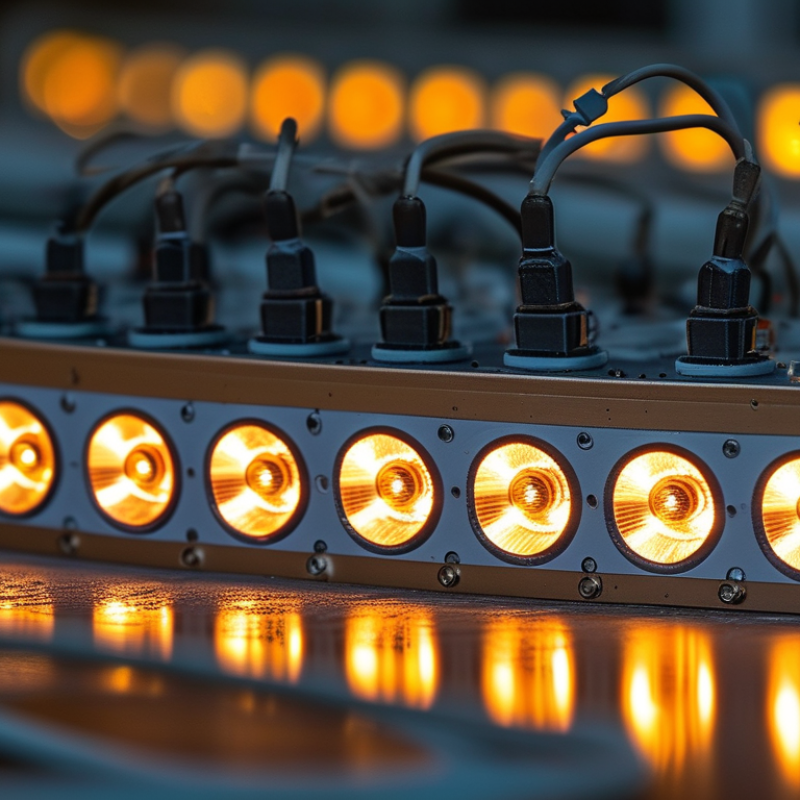
Why Do LED Lights Flicker and How to Fix It?

Understanding the Basics of LED Lighting and Flickering Issues

LED lighting has gained popularity for its energy efficiency and longevity. However, flickering can be a common issue. This flickering often arises from electrical issues. A poor connection or incompatible dimmer switch can disrupt the power supply. Understanding these basics is crucial for troubleshooting.

Different factors contribute to LED flickering. Voltage fluctuations in your home can affect performance. Additionally, using low-quality drivers may exacerbate the problem. If the LED lights are not rated for dimming, they may flicker when used with dimmer switches. Homeowners often overlook these details, leading to frustration.

When addressing flickering, start by checking connections. Make sure all wiring is secure. If problems persist, consider replacing the dimmer switch. Opt for one specifically designed for LED lighting. Testing bulbs in different fixtures may also help identify the source of the issue. Engaging a qualified electrician can provide peace of mind and expertise in resolving persistent flickering problems.

Understanding LED Flickering: Causes and Solutions

Common Causes of Flickering in LED Lights

Flickering in LED lights can be annoying. It often disrupts the ambiance of rooms. Understanding the common causes is essential for troubleshooting. One key reason is incompatible dimmers. Not all dimmers work well with LED technology. This mismatch can cause the lights to flicker, especially at low brightness levels.

Another common issue is fluctuations in electricity supply. If the voltage fluctuates, it affects LED lights. This can occur due to poor wiring or overloaded circuits. Inspect your electrical system if you notice consistent flickering. Loose connections in light fixtures can also lead to flickering. Regular maintenance can help identify these issues before they become a bigger problem.

Lastly, the quality of the LED bulb itself matters. Low-quality bulbs often flicker more than higher-end models. Investing in reliable products can prevent flickering. If flickering persists despite troubleshooting, consider consulting a professional. They can assess both the lights and the electrical system for deeper issues. Understanding these causes helps create a stable lighting environment at home.

How to Diagnose Flickering Problems in LED Fixtures

Flickering LED lights can be frustrating. They may disrupt a serene environment and cause eye strain. Several factors contribute to this flickering phenomenon. Understanding and diagnosing the issue can enhance your lighting experience.

One common cause of flickering is incompatible dimmers. A report from the National Electrical Manufacturers Association states that nearly 50% of LED-related issues stem from dimmer incompatibility. Ensuring that your LED fixtures work well with your dimmers can reduce flickering. Check the dimmer specifications, and consider upgrading them if necessary.

Another significant factor is voltage fluctuations. Research indicates that fluctuations above 10% can lead to unstable performance in LED lights. You can use a multimeter to monitor voltage levels. If you notice frequent spikes or drops, it might be time to consult an electrician. They can assess your electrical system and suggest necessary adjustments to stabilize the voltage.

Effective Solutions to Prevent LED Lights from Flickering

LED lights are efficient and popular, yet flickering remains a common issue. Various factors contribute to this annoyance, including incompatible dimmers and voltage fluctuations. According to a report from the Lighting Research Center, around 40% of LED users experience flicker due to these issues. This is frustrating for many homeowners and businesses alike.

To mitigate flickering, consider using compatible dimmer switches designed for LEDs. Many traditional dimmers cannot handle the low wattage of LED fixtures. Upgrading to a quality dimmer can reduce flickering by more than 90%. Additionally, using LED drivers that support constant current can help stabilize performance. Fluctuating voltage levels often cause flickering, so employing a voltage regulator is another practical solution.

Moreover, regularly checking the electrical wiring in your space can prevent flickering. Poor connections or outdated wiring may lead to inconsistent power flow. It’s essential to focus on maintaining a reliable electrical system. While these solutions may not eliminate all flickering, they can significantly improve your LED lighting experience. The pursuit of a flicker-free environment requires ongoing adjustments and attention to detail.

Tips for Choosing Flicker-Free LED Products and Compatibility

When choosing LED lights, flicker is a crucial factor to consider. Many people overlook this feature, thinking all LEDs are the same. However, flicker can lead to discomfort and reduced productivity. It’s essential to recognize that not all LEDs are created equal. Some may flicker significantly, while others operate smoothly and consistently.

To ensure you select flicker-free products, check the product specifications carefully. Look for those that mention low flicker rates. A good indicator is a flicker frequency above 200 Hz, which tends to be less noticeable. Additionally, compatibility with your existing dimmers and fixtures can greatly affect performance. Some LEDs work well with specific dimming systems, while others may struggle, causing flickering.

While the market offers many options, not all claim to be flicker-free are trustworthy. It’s wise to consult reviews and seek recommendations from trusted sources. Many people have had less than ideal experiences. Researching before purchasing can save you time and frustration. Recognizing reliable products can make a significant difference in your lighting experience.

Why Do LED Lights Flicker and How to Fix It? - Tips for Choosing Flicker-Free LED Products and Compatibility

Cause of Flickering Description Solution Flicker-Free Options
Incompatible Dimmer Switch Leading edge dimmers can cause flickering in LEDs. Replace with a compatible LED dimmer switch. Look for 'LED compatible' labels.
Voltage Fluctuations Inconsistent voltage supply can lead to flickering. Consult an electrician to check and stabilize voltage. Choose LED drivers that are rated for stable voltage.
Loose Connections Loose wiring can cause intermittent power supply. Tighten connections or replace faulty wiring. Select LED fixtures with higher quality wiring.
Low-Quality LED Products Cheaper LEDs may lack quality control, resulting in flickering. Invest in reliable brands and high-quality LEDs. Look for certifications like ENERGY STAR.

FAQS

: What causes flickering in LED lights?

: Flickering can be caused by incompatible dimmers, voltage fluctuations, poor wiring, and low-quality bulbs.

How can I fix flickering LED lights?

Start by checking connections, replacing incompatible dimmer switches, and testing bulbs in different fixtures.

Why do some dimmer switches cause flickering?

Not all dimmer switches work well with LED technology, especially at low brightness levels.

How important is the quality of LED bulbs?

The quality matters. Low-quality bulbs are more likely to flicker, while reliable ones provide stable performance.

What should I look for when buying LED lights?

Check for low flicker rates in specifications and compatibility with existing dimmers and fixtures.

Why is flicker frequency important?

A flicker frequency above 200 Hz tends to be less noticeable. This can enhance comfort and productivity.

Can I identify flickering issues on my own?

Yes, but having a qualified electrician check your wiring can provide deeper insights and peace of mind.

Why do some people have bad experiences with LED products?

Many overlook important details like flicker rates and compatibility, leading to frustration and unsatisfactory lighting.

How can regular maintenance help with flickering?

Regular checks can prevent bigger problems by identifying loose connections and electrical issues early.

Is flickering always a major problem?

Not necessarily. Some flickering can be minor but may still indicate underlying electrical issues needing attention.

Conclusion

LED lights are increasingly popular, but many users experience flickering issues, leading to questions about why LED lights flicker and how to fix it. Understanding the basics of LED technology reveals that flickering can stem from various common causes, such as incompatible dimmers, voltage fluctuations, or poor-quality drivers. Diagnosing these flickering problems often involves checking connections and testing the bulbs in different fixtures.

To effectively prevent LED lights from flickering, users can consider several solutions, including replacing incompatible dimmers with compatible ones, ensuring stable voltage supply, and using high-quality LED products. Additionally, when selecting LED lights, opting for flicker-free models and verifying compatibility with existing fixtures can greatly enhance performance. By addressing these aspects, individuals can enjoy reliable and flicker-free LED lighting in their spaces.

Charlotte

Charlotte

Charlotte is a seasoned marketing professional with a deep understanding of the company's portfolio and a passion for elevating its presence in the market. With a keen eye for detail and a commitment to excellence, she ensures that our professional blog is regularly updated with insightful articles......