In today's fast-paced world, businesses are constantly searching for ways to cut costs. One effective strategy is to focus on lighting solutions. LED lighting has shown great potential in reducing maintenance costs significantly. Industry expert John Smith states, "The shift to LED not only improves efficiency but also drastically reduces upkeep."
LED lighting systems are durable and last longer than traditional bulbs, minimizing the frequency of replacements. This durability translates into fewer maintenance visits, saving both time and money. Many businesses report that switching to LED has cut their maintenance budgets substantially.
Understanding how to reduce maintenance costs with LED lighting is essential for any organization. It is clear that investments in quality LED lighting can yield robust returns. While the initial expenditure may raise concerns, the long-term savings often outweigh these worries. Embracing this technology can lead to surprising insights and improvements in overall operational efficiency.
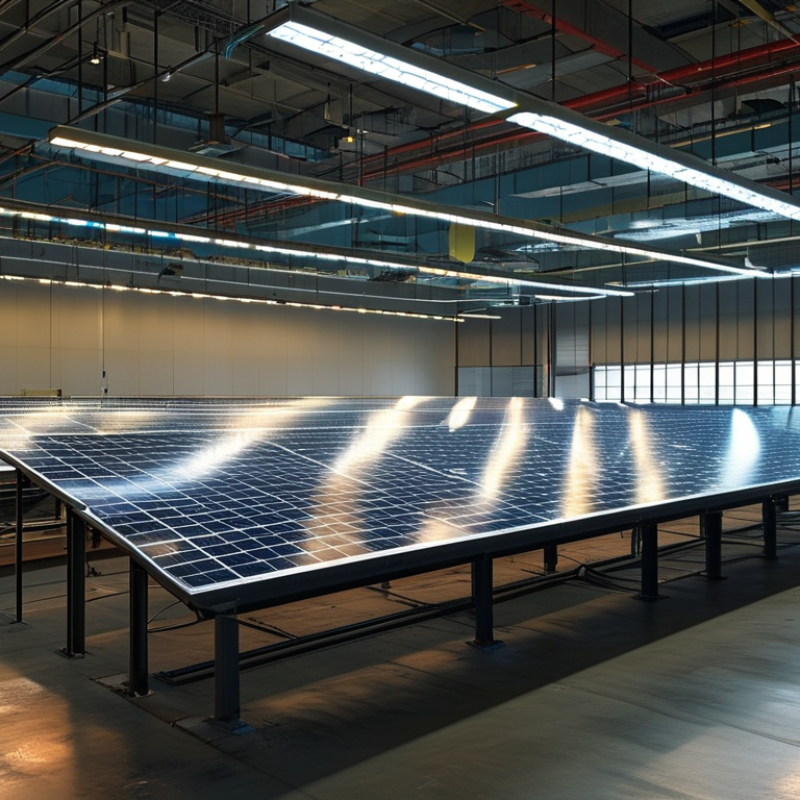
LED lighting has revolutionized the way we approach energy consumption and maintenance. Research from the U.S. Department of Energy indicates that LED lights use at least 75% less energy than traditional incandescent bulbs. This significant reduction not only conserves energy but also lowers electricity bills, creating a compelling case for businesses to transition to LED solutions.
Beyond energy efficiency, LED lighting boasts a longer lifespan. According to industry reports, the average LED bulb lasts about 25,000 hours, compared to just 1,000 hours for incandescent bulbs. This durability reduces replacement frequency, which cuts down maintenance costs significantly. Fewer replacements mean fewer labor hours spent on installation and less disruption to daily operations. However, some companies hesitate due to initial investment concerns. It's essential to evaluate potential savings over time.
The sustainability aspect of LED lights cannot be overlooked. They emit less heat, decreasing cooling costs in commercial spaces. Yet, achieving optimal results requires proper installation and sometimes specialized fixtures, which can be a challenge. Addressing these details is critical for maximizing the advantages while minimizing setbacks. Transitioning to LED lighting is not just an upgrade; it’s a step toward a more efficient and cost-effective future.
| Dimension | Traditional Lighting | LED Lighting | Cost Savings |
|---|---|---|---|
| Lifespan (Hours) | 1,000 | 25,000 | 85% |
| Energy Consumption (Watts) | 60 | 10 | 83% |
| Maintenance Frequency (Years) | 1 | 5 | 80% |
| Heat Emission (Degrees) | 120 | 70 | 42% |
| Environmental Impact | High | Low | N/A |
: Assess your current lighting system for failing bulbs or excessive energy consumption.
It helps set a budget for new lights and outlines a replacement timeline to reduce disruptions.
Training can reduce resistance and help employees understand LED technology, ensuring smoother implementation.
Ongoing monitoring tracks energy consumption and identifies issues before they become costly repairs.
They can prevent problems like dimming bulbs, ensuring consistent lighting for safety and ambiance.
Effective heat management, like installing heat sinks, is essential for maintaining LED performance over time.
Regularly check the system and be prepared to adapt your approach based on observed performance.
Employees may resist change or lack knowledge, requiring effective communication and resources for learning.
Ignoring inspections can lead to unexpected expenses due to performance issues and inefficient lighting.
It can provide insights that improve budget management and enhance operational efficiency over time.
This article discusses how to reduce maintenance costs with LED lighting solutions by first understanding the fundamentals of LED technology and its numerous advantages, including energy efficiency and longevity. By assessing the current lighting systems and their associated maintenance expenses, businesses can identify areas for improvement.
The next step involves calculating potential savings that LED lighting can offer, followed by implementing an effective transition plan to switch to LED solutions. Finally, continuous monitoring and managing of LED performance are essential to ensure sustained savings over time. Overall, adopting LED technology not only lowers maintenance costs but also contributes to environmentally friendly practices.

 Lume Light