In industrial settings, lighting plays a crucial role in operations. Smart lighting systems enhance efficiency and safety. Dr. John Smith, an expert in industrial automation, stated, "The right lighting can transform workspaces." Understanding how smart lighting systems work in industrial environments is essential for modern manufacturing.
Smart lighting uses sensors and controls to adjust brightness. This adaptability responds to changes in daylight and worker presence. Enhanced lighting helps reduce energy costs while improving visibility. Incorporating smart systems can be complex, requiring thoughtful design and integration.
Yet, not every implementation is seamless. Companies may struggle with compatibility or user training. Understanding these challenges is vital for success. Overall, smart lighting represents a significant advancement in industrial environments. Adopting these systems can lead to more effective operations and safer workplaces.
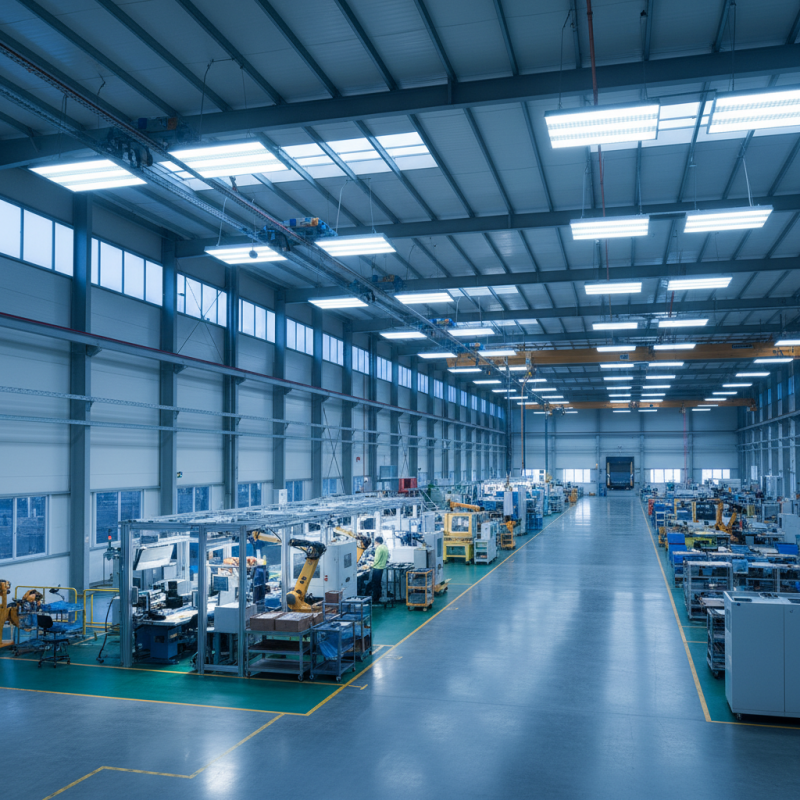
Overview of Smart Lighting Systems in Industrial Settings
Smart lighting systems are transforming industrial environments by enhancing efficiency and safety. These systems utilize advanced sensors and controls to adjust lighting based on real-time conditions. For instance, using motion sensors, lights can dim when areas are unoccupied, conserving energy without sacrificing visibility. This adaptability is crucial in large facilities where human activity fluctuates throughout the day.
Another aspect of smart lighting in industry is integration with other systems. Often, these lighting solutions are linked to building management systems. They can respond to external factors, such as natural light availability. Workers may find this dynamic adjustment beneficial, but it can cause discomfort in spaces with inconsistent brightness. Some employees may prefer a steady light output, leading to discussions on workplace preferences.
Data analytics play a vital role in optimizing smart lighting. Tracking usage patterns helps manage energy consumption effectively. However, reliance on data can introduce challenges. If the system malfunctions or data is misinterpreted, it may disrupt operations. Striking a balance between smart technology and human comfort remains essential in fostering a productive industrial atmosphere.
Smart Lighting Systems Data in Industrial Environments
This chart represents the energy savings and productivity improvements realized from implementing smart lighting systems across different sectors within industrial environments.
Key Components of Industrial Smart Lighting Solutions
Smart lighting systems in industrial environments rely on several key components to enhance both efficiency and safety. Sensors play a crucial role in collecting data about occupancy and ambient light levels. These sensors ensure that lighting is only active when needed, significantly reducing energy consumption. According to a report from the International Energy Agency, smart lighting can save up to 30% on energy costs in industrial settings.
Another vital component is the control systems, which manage the lighting based on the data gathered from sensors. These controls allow for adjustments to be made in real-time, optimizing conditions for workers and machinery. A recent study indicated that effective control systems could improve productivity by 20% by creating a well-lit environment. However, companies often face challenges integrating these systems with existing infrastructure, leading to inconsistent performance.
Communication protocols also deserve attention. They facilitate data transfer between components for seamless operation. However, issues like interoperability and security must be addressed. The lack of standardization can lead to systems that do not communicate effectively, causing frustration and reduced functionality. Awareness of these challenges is vital for companies looking to implement smart lighting solutions effectively. The potential benefits are significant, but careful planning and integration are necessary for success.
Technologies Behind Smart Lighting: Sensors and Control Systems
Smart lighting systems in industrial environments rely heavily on advanced technologies such as sensors and control systems. These systems utilize various types of sensors to detect occupancy, light levels, and environmental changes. For instance, motion sensors can turn lights on or off as people move through a space. This operation not only enhances safety but also saves energy by ensuring lights are only on when needed.
Control systems play a crucial role in smart lighting. They allow for remote programming and real-time adjustments based on specific requirements. Users can manage lighting conditions through smartphones or computers. This flexibility is essential in settings where tasks change frequently. However, poor setup can lead to inefficient lighting, impacting productivity.
When implementing smart lighting, consider these tips.
- Ensure the sensors are positioned correctly to avoid blind spots.
- Take time to learn the control system features, allowing you to maximize functionality.
- Regularly assess the system's performance and make adjustments as necessary.
This reflection can prevent energy wastage and improve overall effectiveness. Remember, the goal is a
well-lit workspace that adapts to your needs.
Benefits of Implementing Smart Lighting in Industrial Environments
Implementing smart lighting systems in industrial environments offers significant advantages that go beyond mere aesthetics. According to a recent report by the International Energy Agency, smart lighting can reduce energy use by up to 60% in industrial settings. This reduction in energy consumption leads directly to cost savings. Many organizations report lower electricity bills and decreased carbon footprints after upgrading to smart systems.
Moreover, smart lighting enhances workplace safety. Well-lit areas are crucial for reducing accidents. A study from the National Safety Council found that proper lighting can cut workplace accidents by about 30%. Smart systems allow for adaptive lighting, which adjusts brightness based on the time of day or occupancy levels. This kind of flexibility ensures that light is utilized efficiently and effectively where it’s most needed.
However, despite these benefits, some companies hesitate to adopt these systems. Concerns about initial implementation costs and integration with existing infrastructure often arise. Reflecting on these challenges is essential. While smart lighting can provide long-term savings, the upfront investment may appear daunting. Each organization must weigh these factors carefully, considering both short-term costs and long-term benefits for the workforce and the environment.
Challenges and Considerations for Smart Lighting Deployment
Implementing smart lighting systems in industrial environments presents distinct challenges that organizations must navigate. Data from recent industry reports highlight that 57% of companies encounter integration issues with existing infrastructure when transitioning to smart lighting. It can be difficult to synchronize new technologies with older systems. This challenge often leads to increased costs and prolonged deployment timelines.
Another significant consideration is employee engagement and training. A study showed that 45% of workers lack understanding of smart lighting benefits. This knowledge gap can hinder system optimization. If workers do not utilize the technology properly, the expected energy savings and productivity improvements may not materialize. Continuous training and clear communication about the advantages of these systems are vital.
Additionally, environmental factors like workspace conditions impact system effectiveness. For instance, high ceilings in warehouses can diminish sensor accuracy. Reports indicate that improperly placed sensors can lead to energy wastage, countering potential savings. Each unique industrial space requires a tailored approach, making careful planning essential for the success of smart lighting initiatives. Addressing these challenges will ensure a smoother deployment and maximize the benefits of smart lighting systems.
FAQS
: The main components include sensors, control systems, and communication protocols.
Sensors collect data about occupancy and light levels, ensuring lights operate only when needed, saving energy.
Control systems adjust lighting conditions in real-time, optimizing the workspace for both workers and machinery.
Companies often struggle with compatibility issues with existing infrastructure, which can lead to inconsistent system performance.
They enable data transfer between components, ensuring seamless operation. However, security and interoperability issues can arise.
Motion sensors turn lights on or off when people move, ensuring visibility and safety throughout the workspace.
They should ensure proper sensor placement and invest time in learning control system features for optimal performance.
Inefficient lighting can lead to increased energy usage and negatively impact workers' productivity.
Regular assessments help identify needed adjustments, reducing energy waste and enhancing overall effectiveness.
The goal is to create a flexible, well-lit workspace that adapts to changing operational needs.
Conclusion
Smart lighting systems in industrial environments enhance efficiency and safety by integrating advanced technologies such as sensors and control systems. These systems are designed to adapt to changing conditions, including occupancy and natural light levels, ensuring optimal illumination while reducing energy consumption. Key components include smart bulbs, motion detectors, and centralized control units that facilitate real-time monitoring and management.
Understanding how smart lighting systems work in industrial environments involves exploring their numerous benefits, such as improved productivity, reduced operational costs, and enhanced employee well-being. However, the deployment of these systems also comes with challenges, including initial setup costs, integration with existing infrastructure, and maintenance requirements. Overall, the transition to smart lighting is a strategic investment for industries aiming to innovate and streamline their operations.

 Lume Light