Waterproofing LED lighting fixtures for outdoor use is crucial for durability and performance. According to a report by the Lighting Research Center, exposure to moisture can significantly reduce the lifespan of these fixtures. In the outdoor lighting industry, this is a common issue. Proper waterproofing can enhance product longevity and maintain brightness.
Expert Tom Hsu, a leading figure in waterproof technology, states, “Learning how to waterproof LED lighting fixtures is essential for any outdoor installation.” Waterproofing is not only about sealing; it involves the right materials and techniques to resist water damage.
Many products on the market promise waterproofing, yet fail in real-world conditions. Consumers often overlook the importance of certifications like IP ratings. Without proper understanding, users may select inadequate fixtures, leading to performance issues. Awareness and careful selection are fundamental in achieving satisfactory outdoor lighting solutions.
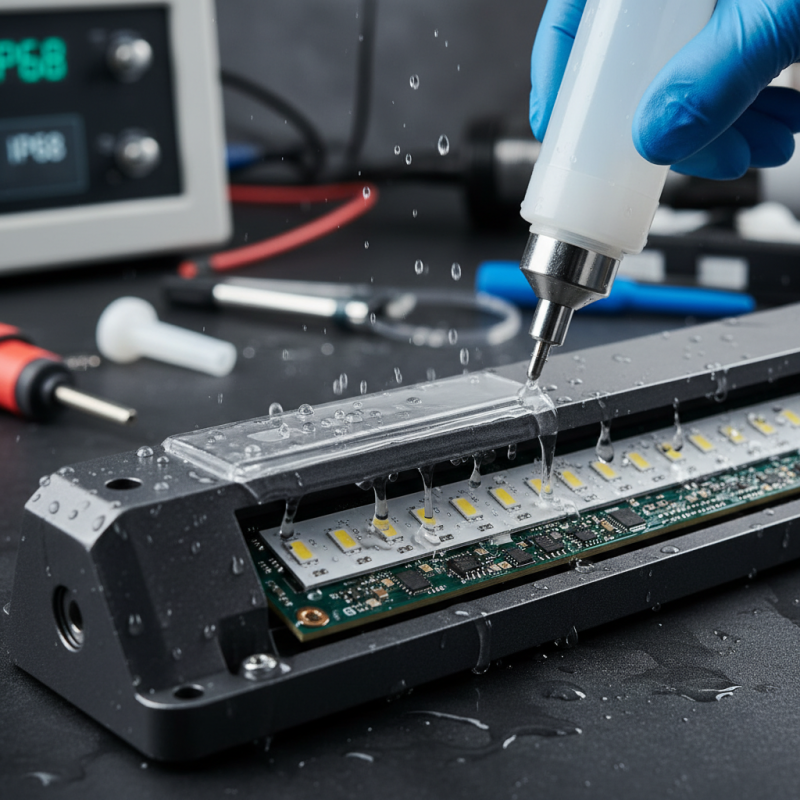
Understanding how to waterproof LED lighting fixtures is crucial for their longevity and performance outdoors. Waterproofing prevents moisture intrusion, which can lead to malfunctions. LED fixtures must have an IP rating of at least IP65 to ensure protection against dust and water. This rating indicates the fixture is suitable for outdoor use.
A key step in waterproofing involves using silicone sealant. Apply it around the edges of the fixture where water may seep in. Gaskets also play an important role, ensuring a tight seal around any openings. It's essential to examine these components regularly for wear.
Despite these measures, some may overlook the importance of proper installation. Incorrect positioning can expose fixtures to excessive rain and wind. This can affect their efficiency and lifespan. Regular maintenance can help identify potential weaknesses. Checking for cracks or damaged seals is vital to ensure continued protection against the elements.
When choosing outdoor LED lighting, understanding the importance of IP ratings is crucial. IP stands for Ingress Protection. It indicates how well a fixture resists dust and water. An IP rating is made up of two numbers. The first number rates dust resistance, while the second rates water resistance. For outdoor use, look for fixtures with an IP65 rating or higher. This ensures protection against water jets from any direction.
Tips: Always check the IP rating before purchase. Installing lights with a lower rating in wet areas can lead to failure. Consider environmental factors too. If your area experiences heavy rain or snow, a higher rating is necessary.
Not all outdoor LED lights are created equal. A common mistake is ignoring the IP rating. Some fixtures may look stylish but lack proper protection. This can lead to moisture damage and electrical hazards. Evaluate the location carefully. Areas with direct exposure to elements need more robust lighting. Remember, the right choice can enhance safety and longevity.
| Fixture Type | IP Rating | Waterproof Level | Suitable Outdoor Condition |
|---|---|---|---|
| Floodlight | IP65 | Dust-tight, Water resistant | Rain, Snow |
| Wall Pack Light | IP66 | Total protection against dust, Water jets | Heavy Rain, Coastal Areas |
| Garden Light | IP54 | Limited dust protection, Protected against splashes | Light Rain, Sprinklers |
| Bollard Light | IP67 | Dust-tight, Immersion in water (up to 1 meter) | Flooded Areas, Heavy Rain |
| Landscape Light | IP68 | Dust-tight, Continuous immersion in water | Water Features, Ponds |
When selecting waterproofing materials for LED lighting fixtures used outdoors, consider durability and efficiency. Silicone sealants are a popular choice. They provide excellent moisture resistance. Their flexibility also allows for temperature changes throughout the year.
Epoxy coatings are another reliable option. They create a hard shell that is resistant to water and UV rays. Using these coatings can enhance the lifespan of your fixtures, particularly in harsh weather. However, applying epoxy can be tricky. Make sure surfaces are clean and dry before application.
Tips: Test materials on a small area. This helps identify any issues before full application. Always verify that the chosen materials are compatible with your specific LED fixtures. Regular maintenance is essential. Inspect for wear and damage. Regular checks can prevent larger problems later on.
To ensure that your LED lighting fixtures can withstand the elements outdoors, proper sealing and protection are essential. Start by selecting a waterproof sealant specifically designed for electrical use. This step is crucial. Apply the sealant around the joints and seams of the fixture. Use a brush or your finger to smooth the sealant evenly. Careful application here can make a noticeable difference.
Next, focus on the wiring connections. Water can seep into exposed areas, causing short circuits. Use heat-shrink tubing to cover any bare wires. It's a simple task, but often overlooked. Make sure to heat the tubing evenly to create a snug seal. Consider adding a silicone-based sealant around the junction box to provide further protection against moisture.
Finally, think about the fixture's location. Even waterproof lights can struggle with constant exposure to harsh weather conditions. Check for any signs of wear and tear over time. Regular maintenance is vital. Remember, no matter how well you seal the lights, nothing beats careful placement. Be prepared to adjust your installation if you notice any issues.
When waterproofing outdoor LED lighting fixtures, certain mistakes can significantly undermine your efforts. One common error is neglecting to use the right sealant. Many assume that any adhesive will suffice. This is misleading. Using a silicone-based sealant ensures a watertight seal. It withstands temperature variations and moisture. Avoid cheap alternatives that may crack and fail over time.
Another pitfall is ignoring proper drainage. Without drainage holes, water can accumulate inside the fixture. This can lead to electrical issues and decreased lifespan. Ensure that drainage pathways are clear and functional. Regular checks can help prevent problems before they escalate.
Additionally, over-sealing components can trap moisture rather than repel it. This creates a breeding ground for corrosion. Balancing protection and ventilation is crucial. Consider using encapsulated LED modules; they are designed for harsh environments. Evaluate your methods periodically, and don’t hesitate to experiment with new techniques as you learn.
: IP stands for Ingress Protection. It indicates the fixture's resistance to dust and water.
An IP rating consists of two numbers. The first rates dust resistance; the second rates water resistance.
Look for fixtures with an IP65 rating or higher for adequate protection against water jets.
The IP rating ensures that lights are protected from moisture damage and electrical hazards outdoors.
Many ignore the IP rating, choosing style over protective features, which can lead to damage.
Use a waterproof sealant on joints. Carefully apply it for better protection against weather elements.
Exposed wiring can lead to short circuits. Use heat-shrink tubing to protect bare wires.
Neglecting the right sealant, ignoring drainage, and over-sealing can all undermine waterproof efforts.
Check that drainage holes are clear to prevent water accumulation inside the fixture.
Regular maintenance is key. Adjust your installation or seal as needed to address wear and tear.
In the article "How to Waterproof LED Lighting Fixtures for Outdoor Use," the author emphasizes the essential steps and considerations for ensuring that LED lighting can withstand outdoor conditions. It begins by explaining the fundamentals of waterproofing LED fixtures, highlighting the significance of IP (Ingress Protection) ratings, which indicate the level of protection against moisture and dust. The article then reviews the best waterproofing materials available, guiding readers toward selecting the right options for their needs.
A comprehensive step-by-step guide is provided for sealing and protecting LED fixtures, making it easier for users to implement effective waterproofing techniques. Furthermore, the article addresses common mistakes to avoid in the waterproofing process, helping to ensure longevity and reliability in outdoor LED lighting. By following this detailed approach, readers will gain valuable insights on how to waterproof LED lighting fixtures effectively, enhancing their outdoor lighting setup.

Lume Light